


The Allure of Risk: Why Players Gamble
The psychology behind why individuals are drawn to casinos often begins with the thrill of risk. Casinos are designed to evoke excitement, with bright lights, enticing sounds, and the potential for significant rewards. This environment stimulates the brain’s reward system, releasing dopamine that makes gambling feel pleasurable. Players may find themselves mesmerized by the potential to win big, despite the underlying odds often being against them. In this context, exploring new online casino options can add a fresh layer to the excitement for many enthusiasts.
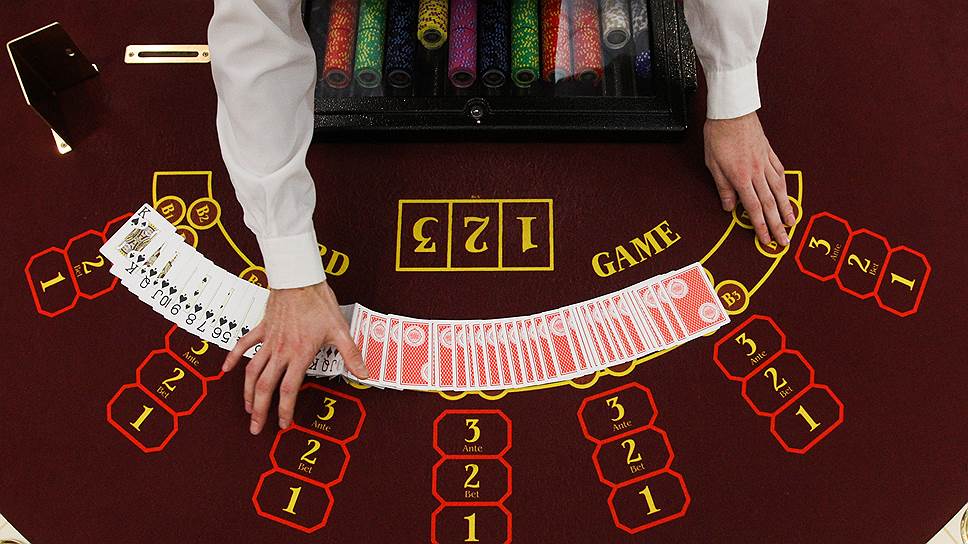
Furthermore, the concept of risk-taking is deeply rooted in human psychology. Many individuals find a sense of identity and validation through the act of gambling. The possibility of striking it rich can overshadow the reality of potential losses, leading to a cycle of behavior fueled by both hope and adrenaline. Understanding this allure helps to explain why so many are drawn to the casino experience repeatedly.
The Role of Environment in Gambling Behavior
The physical environment of a casino is meticulously crafted to influence player behavior. From the arrangement of gaming tables to the presence of complimentary drinks, every element serves to enhance the gambling experience. The lack of windows and clocks encourages players to lose track of time, which can lead to extended gambling sessions. This psychological manipulation creates an immersive experience that can be hard to escape.
Moreover, the use of various sensory stimuli ensures that players remain engaged. The sounds of slot machines ringing and the sight of other players winning can create a social atmosphere that is both inviting and exhilarating. This environment not only entices newcomers but also creates a psychological bond among players, reinforcing their desire to continue gambling.
Emotional Triggers and Decision Making
Emotional states can significantly affect a gambler’s decision-making process. Many players gamble to escape from stress or to cope with negative emotions. This reliance on gambling as a form of emotional regulation can lead to problematic behaviors, including chasing losses or gambling larger amounts to regain a sense of control. The rollercoaster of emotions associated with gambling can further entrench players in their habits, making it difficult to recognize the need for moderation.
Additionally, cognitive biases play a crucial role in how players perceive their gambling experiences. Many individuals fall victim to the gambler’s fallacy, believing that past outcomes will influence future results. This misconception can lead to ill-informed betting decisions, ultimately perpetuating the cycle of gambling behavior. Understanding these emotional triggers is essential for recognizing the underlying issues that can lead to addiction.
Social Influences on Gambling Preferences
Gambling behaviors are often influenced by social dynamics, including peer pressure and societal norms. An individual’s social circle can significantly shape their gambling habits, with friends and family playing a pivotal role in either encouraging or discouraging gambling activities. This social aspect can create a sense of belonging among players but can also exacerbate risky behaviors when gambling is framed as a social activity.
Apart from social influences, cultural attitudes towards gambling also shape behaviors. In societies where gambling is normalized, individuals may be more likely to engage in frequent gambling activities without considering the risks involved. Understanding these social constructs provides insight into why certain individuals may gamble excessively while others may choose to abstain entirely.

The Importance of Responsible Gambling Resources
Ultimately, understanding the psychology behind casino player behaviors can lead to more effective strategies for promoting responsible gambling. Awareness of the emotional, social, and environmental factors that drive gambling can help create targeted resources and support systems. These can guide individuals toward healthier gambling practices and minimize the risk of developing problematic behaviors.
On our website, we recognize the importance of fostering an environment where users can access valuable content and resources related to responsible gambling. Although some areas may have access restrictions, our goal remains to provide informative articles, tools, and support that enhance user experience and promote safer gambling practices. We encourage visitors to explore our offerings and engage with the community for a more enriching experience.